Why Fire Suppression, Gas, and Steam Lines Keep Defaulting to Seamless Black Steel Pipe
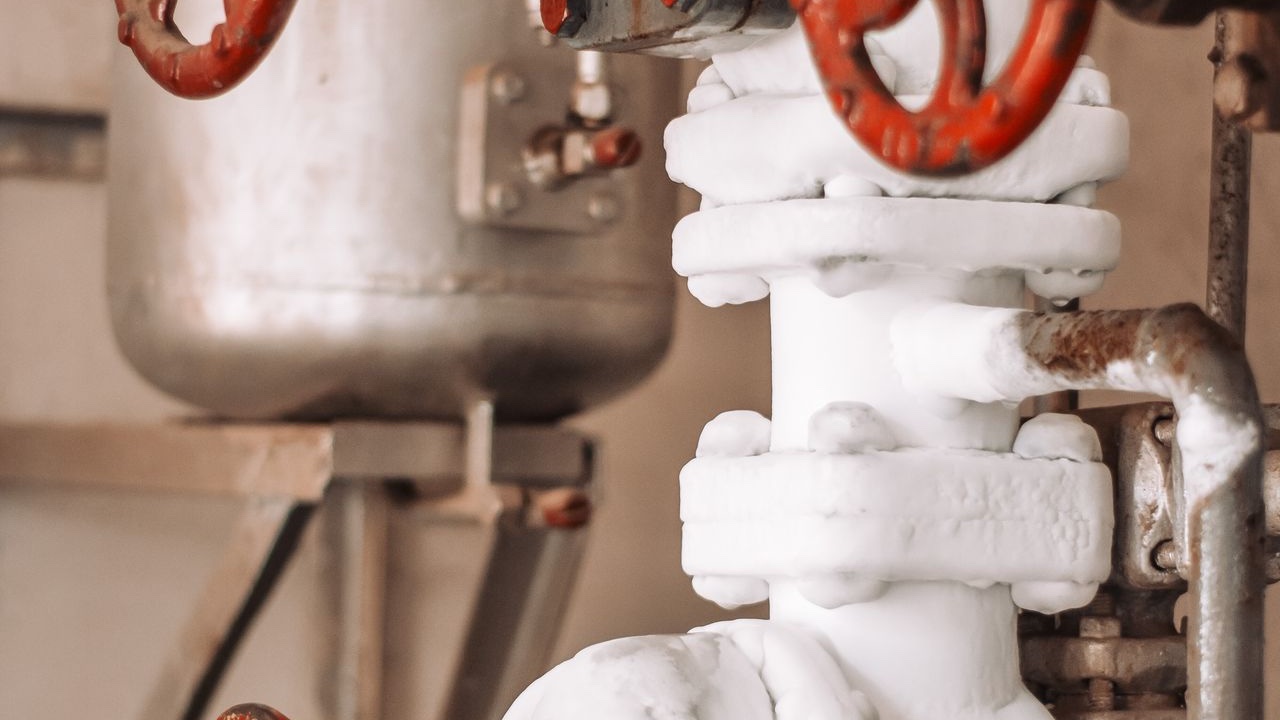
Walk through the mechanical room of almost any commercial or industrial building and the pipe running overhead for fire suppression, natural gas, or steam distribution is almost certainly black steel — uncoated, no galvanizing, often with a rough mill finish. If you’re specifying or sourcing pipe for these systems and wondering why these three applications keep landing on the same material, the answer comes from what each application actually demands of the pipe and why alternatives consistently fall short.
What “Black Steel” Actually Means
Black steel pipe gets its name from the dark iron oxide scale that forms on the surface during the hot-rolling manufacturing process. It’s carbon steel pipe that hasn’t been galvanized, plated, or coated with any protective finish. The surface looks rough and dark compared to galvanized pipe, and it will rust if exposed to moisture and oxygen over time.
That uncoated surface is actually part of why it works for certain applications — but more importantly, the underlying carbon steel properties and the seamless manufacturing process are what make it the default choice when the application puts real demands on the pipe.
Fire Suppression Systems
NFPA 13, the standard that governs fire sprinkler system installation in the United States, permits Schedule 40 black steel pipe as the primary piping material for wet pipe systems. Galvanized pipe is also permitted, but in practice most wet-pipe interior systems use black steel.
The reason galvanizing doesn’t dominate comes down to internal coating integrity in fire suppression service. Zinc galvanizing on the interior of the pipe can flake over time, and the debris creates problems for sprinkler heads — the small orifices in the heads can be partially obstructed by zinc scale in ways that affect discharge patterns. Black steel doesn’t have an interior coating to shed.
For dry pipe and pre-action systems — where the pipe sits empty and pressurized with air or nitrogen until the system activates — galvanized pipe is actually required by NFPA 13 because the pipe interior is exposed to oxygen and humidity. Black steel in that environment would rust, and the rust debris creates the same kind of contamination problem that zinc flakes cause in wet systems. So the material selection in fire suppression isn’t one-size-fits-all; it follows the specific service condition.
Seamless pipe is specified when the system pressure rating or the authority having jurisdiction requires it. Standard commercial wet-pipe systems typically use A53 welded or seamless — the distinction isn’t always critical at the pressures involved. High-pressure or high-risk applications specify seamless because the absence of a longitudinal weld eliminates a potential weak point under cyclic pressure loading from system tests and activation events.
Natural Gas Distribution
Gas service pipe in commercial and industrial buildings runs on black steel for a combination of reasons. The most important is that zinc and natural gas don’t mix well in certain conditions.
Hydrogen sulfide, which is present in varying concentrations in natural gas depending on the source and treatment, reacts with zinc. Over time, zinc hydroxide compounds can form on galvanized pipe interior surfaces in gas service. Like the zinc scale in fire suppression pipe, this debris can migrate downstream and create problems at valves, regulators, and burner orifices. Black steel doesn’t have that problem.
There’s also a temperature consideration at the burner end of gas systems. Gas appliances — boilers, furnaces, process burners — can have return heat that affects nearby piping. Black steel handles elevated temperatures without concern; galvanized pipe above about 392°F (200°C) starts to off-gas zinc oxide fumes, which is a health hazard in enclosed or poorly ventilated spaces.
Stainless steel would handle both the gas composition and the temperature, but the cost premium over carbon steel for gas distribution — which isn’t a particularly corrosive application at the interior surface — isn’t justified by any performance benefit. Black carbon steel is the cost-effective choice that meets the performance requirements.
Steam Distribution
Steam is where seamless black steel becomes essentially mandatory rather than just conventional. Steam piping operates at elevated temperature and pressure simultaneously, and the requirements compound quickly.
The temperature of steam at typical distribution pressures — anywhere from low-pressure HVAC steam at 15 psig up to high-pressure process steam at several hundred psig — means the pipe material needs to maintain its mechanical properties at elevated temperature. Carbon steel does this reliably up through the temperature ranges of most steam applications. Galvanized pipe in steam service off-gasses zinc in the same way as hot gas service, making it unsuitable.
The pressure cycling that steam systems experience — startup, shutdown, thermal expansion and contraction — creates fatigue loading on the pipe material. Seamless Black Steel Pipe is specified for steam distribution because the continuous wall without a longitudinal seam handles pressure cycling better than welded pipe. ASME B31.1, the power piping code, accounts for this in its material and fabrication requirements, and seamless pipe meets those requirements with more margin than welded alternatives.
The corrosion picture in steam service is also worth noting. Steam condensate — the water that forms when steam gives up heat — is mildly corrosive to carbon steel, but it’s more corrosive to zinc. Galvanized pipe in condensate return service degrades faster than black steel in the same service, which is why black steel runs both the steam supply and the condensate return in most systems.
Why Stainless Steel Doesn’t Win These Applications
Stainless steel handles all the temperature and corrosion requirements better than carbon steel. It just costs significantly more and offers performance margins that most fire suppression, gas, and steam applications don’t need.
For fire suppression pipe at working pressures under 175 psig, A53 or A106 black steel has more than adequate pressure rating. Using stainless steel there is over-engineering the material selection relative to what the application actually demands.
For gas distribution in standard commercial service without unusual corrosives in the gas stream, carbon steel performs as well as stainless over the life of the building. The performance isn’t the limiting factor; the cost is.
Steam is the application where stainless steel comes into its own — in high-temperature, high-pressure, or corrosive-condensate situations where carbon steel’s limitations actually appear. At those conditions, the stainless premium is justified. For standard building steam distribution, it usually isn’t.
The reason these three applications keep defaulting to the same material is that black seamless carbon steel sits at exactly the right intersection of performance and cost for each of them — not because it’s the best material for every property, but because it’s good enough on all the properties that matter and inexpensive on the ones that don’t.