The Difference Between a Tumbler That Sits in a Drawer and One That Goes Everywhere

Most people who own a tumbler also own a tumbler they don’t use. It’s usually in a cabinet or a drawer somewhere — a gift from an event, a promotional item from a conference, something bought impulsively during a sale. It works fine in the technical sense. It holds liquid. It might even keep things warm for a few hours. But it never made it into the daily rotation.
Meanwhile, other tumblers become fixtures. They sit on the kitchen counter in the morning, make it into the car, reappear at a desk, come along on errands in the afternoon. People notice when they’ve forgotten them. They get washed and refilled without thinking about it. They eventually show up on road trips and camping weekends, nowhere near their original context.
The difference between these two categories of tumbler isn’t obvious at purchase. Understanding what separates them is useful whether you’re buying one for yourself or making a bulk purchasing decision for an organization.
The First Filter: Whether It’s Easy to Carry
A tumbler that requires two hands to operate consistently is a tumbler that stays on a flat surface. This sounds minor until you map out an actual day. Getting into a car, walking out of a building, navigating a crowded office — these are all situations where one hand is already occupied. A container that can be picked up, carried, and drunk from with one free hand fits into those moments. One that doesn’t sits on a desk and waits.
This is why handle design matters more than it appears to in product listings. A tumbler with a well-placed handle or grip geometry that works with a natural carrying posture becomes part of a routine. One that’s awkward to hold during a five-minute walk to a meeting gets left behind.
Lid mechanism is the other half of this. A lid that requires deliberate manipulation — unscrewing, two-handed flipping, finding a specific angle — adds friction to every single interaction. People don’t consciously decide to leave a tumbler behind because the lid is annoying. They just find themselves reaching for something easier, and after a few days the pattern is set.
Weight and Capacity: Getting the Balance Right
A tumbler that’s too heavy when full discourages carrying. This is especially true for anything over 24oz — past a certain size, a tumbler stops feeling like something you pick up constantly and starts feeling like luggage you set down and return to.
The sweet spot for most everyday use cases is somewhere between 14oz and 20oz: enough capacity to matter across two or three hours without the weight becoming an active consideration. People who want to drink from the same container all day often go larger, but they’re making a deliberate tradeoff. For general use — commuting, office, errands — mid-range capacity fits more seamlessly into movement.
For bulk purchasing, this means that defaulting to the largest available tumbler isn’t the safest choice. A 40oz tumbler might photograph well and signal generosity, but if recipients find it impractical to carry, it ends up displayed rather than used. A well-made 16oz tumbler that travels everywhere generates more actual brand impressions over time than a large one that never leaves the kitchen.
Temperature Performance Determines Whether It Gets Refilled
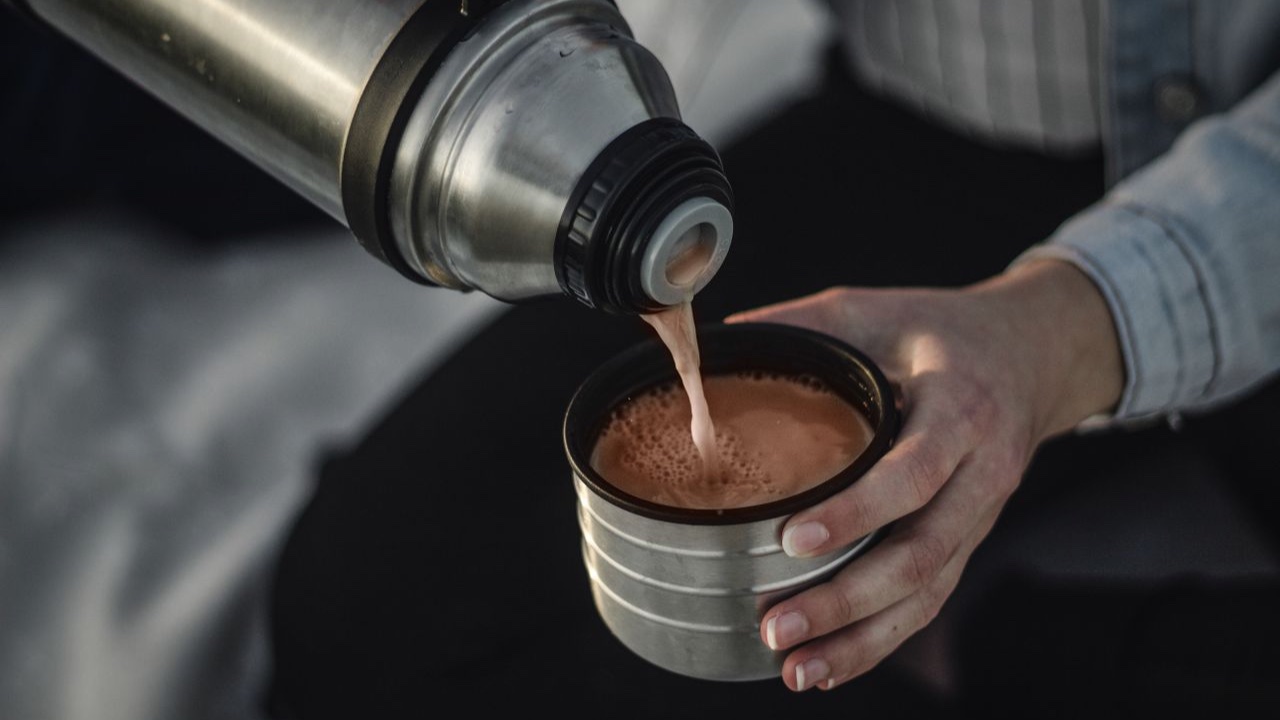
The behavioral pattern around tumblers that get used daily almost always involves a specific experience: the drink is still good later. Hot coffee that’s still genuinely warm two hours into a work morning. Cold water that hasn’t gone flat and lukewarm by noon. This experience, repeated a few times, creates the habit of reaching for the tumbler first.
Tumblers that fail to maintain temperature break this loop before it forms. Someone fills it with hot coffee, gets distracted, comes back to lukewarm coffee, and concludes that the tumbler isn’t really an improvement over a ceramic mug. After that, the ceramic mug goes everywhere and the tumbler stays home.
This is why the insulation performance of a tumbler — not just whether it’s vacuum-insulated but how well it maintains temperature across a realistic window of use — is the functional variable that most directly predicts whether a tumbler integrates into someone’s day. Listing a tumbler as “keeps drinks hot for 6 hours” matters less than whether the actual performance in real conditions creates the positive experience that builds habit.
Aesthetics and Identity: The Underrated Factor
A tumbler someone is proud to carry gets carried. This isn’t vanity — it’s how objects become integrated into routines. A well-designed tumbler in a color or finish that someone genuinely likes becomes a small source of satisfaction throughout the day. It sits on a conference table rather than being tucked under the desk. It comes out in contexts where a generic promotional cup would stay in the bag.
For organizations sourcing tumbler bulk orders, this is an argument for investing in design. Color selection, finish quality, and any customization work should be aimed at producing something recipients will want to be seen with — not just something that holds liquid. The tumbler that someone keeps using three years later is the one that earned its place through a combination of performance and appearance, not through obligation.
What the Drawer Tumblers Have in Common
Looking at the tumblers that don’t make it out of the drawer, a few patterns emerge consistently. They’re usually too large or too heavy for casual carrying. The lid takes more than one deliberate action to operate. The insulation is technically present but not strong enough to create a memorable temperature experience. The design is generic enough that there’s no particular attachment to it.
None of these is a fatal flaw on its own. But they accumulate into a product that never quite earns a permanent place in someone’s routine — and a product that doesn’t get used doesn’t do anything for the person who bought it, the brand on the side, or the person who received it.
The tumblers that travel everywhere are the ones where enough of these variables were handled correctly that the container became genuinely useful. Getting there requires treating the end-use experience as the actual design brief, rather than hitting a price point and calling it done.